
Episode 21
The Format Show
January 29, 2016 · Mike Murphy
Ep21: The Format Show This show is all about podcast formats. Episode Summary: 5 of the most popular podcast formats.
Episode Summary: The 5 most common podcast formats — solo, interview, co-host, NPR-style storytelling, and mix & match — with real pros, cons, and examples to help decide which fits.
What You’ll Learn
- The 5 most common podcast formats, with real pros and cons for each
- 5 questions worth answering before picking a format
- Real examples of each format done well, from Serial to Entrepreneur on Fire
- A recommended webcam for live webcasting on Blab or Google Hangouts
Ask Mike Anything: A Webcam for Live Webcasting
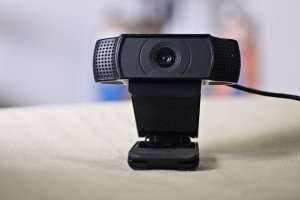
Question: What webcam is recommended for live webcasting on sites like Blab and Google Hangouts?
Answer: The Logitech C920 — 1080p high-definition, a great camera, and findable on Amazon for about $65, which is an incredible deal.
Why Format Matters
The format chosen needs to tell the story, teach the listener, or entertain the audience in the most authentic and effective way possible. Format is 100% up to the host and can change any time, but consistency is what keeps subscribers coming back week after week — keep that in mind before switching things up too often.
Questions to Ask When Starting a Podcast
What’s the purpose of the show? What’s it actually about? What value does the content deliver to listeners? What’s the best method to deliver the message? What should listeners experience by tuning in?
The 5 Formats
1. The Solo/Monocast — “The One Man Band”
One person on the mic.
Pros: easy to start, complete creative control, personable and intimate, technically simpler — plug a mic into a mixer or recorder and go, versus managing a guest’s audio quality too.
Cons: no one to fall back on, 100% responsible for all content, harder to stay conversational without another person, can feel lonely for extroverts.
Examples: Mike Murphy Unplugged and Omar Zenhom of $100 MBA.
2. The Interview
The host interviews a guest.
Pros: people genuinely like listening to interviews, reaches more people faster than a solo show, real networking opportunities, guest brings the knowledge and content, less scripting required.
Cons: scheduling, batching, and technical coordination all get harder with a second person involved.
Example: John Lee Dumas and Entrepreneur on Fire.
3. The Co-Host
Two podcasters (same room or remote) doing the show together.
Pros: entertaining and fun when the personalities and rapport are good, often more educational with two perspectives, workload gets split, and co-hosts can bail each other out when stuck.
Cons: can ramble or run long on catch-up intros, staying on topic gets harder, scheduling requires both hosts to commit, and one host being unavailable becomes a real problem.
Example: SeanWes.TV with Sean McCabe & Ben Toalson is an excellent co-hosted show.
4. The NPR Storyteller
Storytelling-driven podcasts that illustrate a topic through narrative.
Pros: genuinely engaging, entertaining, witty, and often educational — like a movie, but audio-only.
Cons: very difficult to produce, expensive if it requires a crew, and technically demanding — great editing, sound design, and music beds are what separate a good storytelling podcast from a mediocre one.
Examples: Serial, Reply All, 99% Invisible, Radiolab, This American Life, Lore, and The Moth Podcast, among many others. If it’s from NPR or Gimlet Media, it’s a safe bet there’s a storytelling element involved. Bonus example: Millennial by Megan Tan.
5. The Mix & Match
Part one-man-band, part interview.
Pros: variety, the best of both worlds for the audience, splits up the workload and monotony, and lets a lot of the material come from repurposed content — soundbites and clips from other episodes or shows.
Cons: genuinely hard work — a scripted or outlined monologue plus interview prep, more editing since clips get spliced together, and guest audio has to be matched to fit the overall show sound.
Example: Dave Jackson of The School of Podcasting — an excellent, funny, entertaining educator whose clip-splicing technique for explaining topics is genuinely effective.
Music: “Life of Riley” & “Wallpaper” (incompetech.com).